ECUR 325 Journal Entry 1: Introducing Unit Planning for Inquiry (01/23/20)

As a future educator, we are currently learning how to create a tangible unit plan for the classroom we are assigned to teach. The goal for our unit plans are for our students to learn through various ways, while balancing the traditional and authentic assessments that are required for us to evaluate and examine our student’s progress. We started our classroom discussion by introducing the UbD template under the USASK College of Education page tools and resources, which is under field experience. We are able to use this template, as we will be doing our pre internship and our internship in between our four years at the College of Education campus. We discussed the desired outcomes that our students should attain based on our own personal experiences as High School students. Another topic we discussed was evidence of achieving these outcomes, how much we should apply, when, and how? Although I wasn’t able to suggest or apply knowledge towards our class discussion today, I was able to write it. I suggested that our students are not alike when it comes to learning. Our generation should know this and should apply this and create around this as we are assessing our students. I have learned to consider using the method of backwards planning. The idea of backwards planning is assessing first in order to create a common goal within the classroom for inclusion throughout, and accessible learning strategies.

As we began to unpack our personal goals for our unit plans and how we can shape our unit plans to suit the goals of the whole classroom, we were also introduced to the “traditional and authentic” assessments that are currently used, used in the past, what worked and what didn’t work. During this time, I especially enjoyed our classroom discussion on the pros and cons of “teacher structured” versus “student structured”. I believe in equality in the classroom. Teachers may have more resources and experience, but if students and teachers collaborate in the classroom to showcase classroom inclusiveness, assessments can be created around everyone’s exceptions and abilities. Breaking down formative and summative assessments and essential questions is another idea for classroom discussions/motivational set. Presenting the idea and goal with collaboration gives students the chance to invest and relate to the topic of discussions, which can create interest throughout.

Place based learning

When it comes to place based learning, I think of innovation. I think of how educators use innovation to step outside of the box when it comes to teaching about our lands, our surroundings, plants, species, and others that live among our lands. Place based learning takes our students outside of the classroom and onto our first classroom; the land. Using natural resources with the help of other resources such as research, textbooks, experts, elders, keepers of the lands, etc. can create new knowledge for our learners. Taking students outside of the classroom environment creates visuals that we cannot explain enough using texts. Being outside creates awareness of our surroundings, and how we can use natural resources to explain what is in our textbooks. Students should not be subjected to a desk, and as much as I love classroom discussions, they sometimes just aren’t enough, especially for avid learners. Place based education also helps students understand that they are also prime examples of place based education. Teaching students that self awareness and self reflection is important, as they are responsible for their own knowledge of what they learn and how they can use it in and out of the classroom.

My learning journey

I began my education journey in 2014. My son was a year old at the time. Unfortunately, I was unable to showcase my intentions as a future teacher, as I was unsure if this was the right journey for myself. I was unsure if teaching was suited for me, as I felt that I was far too young and inexperienced to be responsible for our youth’s future. I gave it a shot, and throughout the years I am finding myself and I am learning how to unpack my own intergenerational traumas and turning them into life lessons. As a First Nations female, I have had many opportunities to overcome obstacles, which I did. As cliche as it sounds, these obstacles, whether I have failed or overcame, have taught me to move forward. They have guided me to sociology, how to teach others about self-worth, identity, self-reflection, and most importantly, self-love. I’ve had many teachers in my past, inside the classroom and outside, who I owe a great deal of gratitude towards. If it wasn’t for their words of encouragement, I would not have had the courage to keep fighting, internally and physically, for what our ancestors have taught us, and for what they have infused into our minds. They may not be among us today, but it is up to us to continue the legacy that they have created for us. Using our voices to create equality in many aspects of our lives being one of them. Our ancestors were not given a voice or platform, so I believe that we can continue this healing journey by creating a positive platform for the voices that were not heard. A great start can be inside the classroom, where students are eager to learn and eager to take on challenges for their time in society. Creating strong minds can lead to strong belief systems, which creates a domino effect of diverse perspectives among our nation(s). As I continue to learn, I will continue to challenge my mind and body to new knowledge, which I am hoping to use as resources in the classroom(s).

FNIM content and perspectives

As a First Nations female, I have the honour of creating self-awareness within myself, in order to become a teacher, and a future leader. In order to create self-awareness, I must understand myself as an individual through many constructive and critical perspectives. Reflecting my identity as a First Nations individual can mean finding my own sense of self as the center rather than external concepts or frameworks, using personal identity and self reflection to expose myself and my goals, finding self identity to create a better understanding of who I am. Having an understanding of who my family is, my territory, researching a part of our FNIM history, what we know, what we practice, how we use these to continue moving forward. Using old teachings such as unending, continuous, inter generational stories of our lives. These stories continue throughout our blood relatives, as they are who we are as individuals and a community. They are the main source and responsibility of passing on the history of our people. Mainstream textbooks do not inform mainstream society about the history of First Nations’ people, as the stories we tell are performed in ceremonies, they have proper protocol, as they cannot be told just at any time, there is always a time and a place for these to be told, in maturity and self awareness, before being told. In the current era, we must understand that accuracy, accountability, awareness, and mutual respect in FNIM content must be present in order to create proper understandings to teach FNIM content. In other words, you don’t necessarily have to be FNIM to teach FNIM content, but respecting the value of generational teachings is important. Also, understanding that it is okay to ask elders, or storytellers to be in the presence of the classroom to teach their ways, as they are spiritual guides for the youth. In the future, preferably in adulthood, your teachings from your childhood becomes clear, as it is relevant to what you experience- our teachings go unnoticed and sometimes unplanned. For example, my passion project was just another pre-written novel, based on generations of teachings from my ancestors, waiting to be re-opened. I was given the honor of these stories and teachings not only for myself, but for those who need to hear them. I feel as I was given a voice to teach, and in order to teach, I must continue to be open to teachings. Finding ways or activities to teach students can create a sense of self-reflection and self-awareness, which are huge goals for our curriculum. I did not learn these things from the textbooks, but from oral teachings, which I can now incorporate into classroom teachings and curriculum. Being open minded to FNIM perspectives challenges anti-oppression for our faculty staff and students, for generations to come. The cycle of oppression, biases on FNIM content, or any diverse content for that matter can be closed. It may not have started with this generation, but it can end here.

Anti-oppressive Education (critical reflection #2)

  • Challenging forms of oppression through the ideology of anti-oppression

In 2018, I was given a few articles to read, few of them written by Kevin Kumashiro, during my first Professional Development Day at Mount Royal Collegiate in Saskatoon. The theme of these articles was based on creating an anti-oppressive environment. A few things that I have learned in that one day was that diversity will always be an ongoing learning process, so having to gain knowledge on how to touch on subject in regards to multiculturalism needs to be a learned task, considering your own background and how it effected yourself in the past, present, and in the future. Then, using those skills to attend to teaching students. Also, the importance of the effectiveness of teachers, how teachers can help navigate a student to understand multiculturalism in the classrooms, in order to understand society. One common misconception of challenging oppression is the consequences of unpacking anti-oppressive education, as it will include a deep commitment to changing how educators conceptualize and engage in:

1. curriculum: breaking down the syllabus and having a visual present for the classroom creates consistency, an articulate timeline of classroom management for learners and teachers. Using anti-oppressive strategies in the curriculum opens doors to diversity, which can help create multiple learning and teaching strategies. Consider personal issues that peers face, in which some cases, are not planned. Understanding that how we respond to the world is how we see the world. Enlightenment between students and teachers should be mutual.

2. pedagogy: multiple methods can be used to “teach” multicultural education, such as evaluation/participation among classroom/faculty staff in the school(s). This can be unpacked by having a vision of what it actually means to you as an individual first, and how levels of understanding multiculturalism steers our emotions towards education and open-minds.

3. classroom management: understanding that undergoing (a few) process(es) of personal transformation, in regards to the ideologies of inferiority, realizing that having appropriate and sympathetic communication with students is another analogical step used to create self-awareness

4. school culture: researching tools to help you understand, then, to teach these areas. Bringing value, and believing in the values you bring, to everyday situations and how they create oppression, and how to help make it better within the school’s environment. Then, in the classroom, having students break down the topic of multicultural education by using different exercises, such as group discussions, to form a critical analysis of the topic. Having diverse perspectives can lead to many open and interesting conversations, if instructed correctly.

Unpacking anti-oppression can become controversial, as it can mean making a huge amount of changes in the environment, political beliefs, structure, policies, and having the idea that commonsense is present in everyone. Oppression can often lead to biases, ignorance within the environment, which can withhold the ideology of diversity, inquiry, and open-mindedness. Constantly learning about oppression (race, gender, sexism, class-ism) can help individuals understand that having to undergo a process of personal transformation in order to recognize and reject racial ideologies of superiority is a step toward an anti-oppressed education.

teaching and learning multicultural perspectives in the classroom

Policy related to diverse related issues are a sensitive matter, which can be addressed accordingly, while using your ideology in educating learning students. We as teachers need to have an open mind when it comes to teaching multicultural perspectives in the classroom, in order to prevent culture misappropriation. As teachers, we have the responsibility, which is an important one I may add, to decolonize our classrooms by inviting diversity into the classroom. Whether it is guest speakers, multimedia resources, or international texts, we need to address that diversity is not to be ignored, and assumed that students will eventually understand misappropriation when it comes to diversity. In fact, multicultural perspectives in Social Studies are considered to become a “colour-blind” free zone, as discussed by Carla Peck. Canadian citizens can no longer believe that underneath our skin color we are “all the same”, as it is stated that “what we don’t know can hurt me”. I stand alongside this statement. As individuals, we should not be seen or identified by through race or the color of our skin. We all can be viewed by our cultural beliefs or traditions, but as knowledgeable individuals with different ethnic views. This does not mean that we are all the same, but we can come together, as Canadian citizens, to create a true diverse Nation. One way for us, as educators, to teach this to our students is to make them aware that the differences which make us ethnically diverse creates multiple perspectives when it comes to curriculum. Giving students the chance to look through different world views can create multiple critical lenses for students, which ultimately means critical thinking and learning in each subject.

Curriculum development in all subject areas states that the principles of anti racism equity “should equip all students with the knowledge, skills, attitudes, and behaviours needed to live and work effectively in an increasingly diverse world, and encourage them to appreciate diversity and reject discriminatory attitudes and behaviour.” I also agree with this statement, as in my own experiences, I was often judged based on looks before knowledge. Prejudice and bias opinions creates a stigma among minorities, which leads to the inability or lack of desire to explore outside of the boundaries that have been created. Being appreciated and appreciating diversity in and out of the classrooms creates new knowledge when it comes to ethnic diversity and understanding that having different opinions is okay. As a teacher, attending workshops hosted by the school board is mandatory, as re learning anti-oppression in the workplace creates new resources that can be incorporated into lessons for your students. Setting standards and living these standards creates new development into curriculum, and lived curriculum. The more you learn, the more you understand what you teach, the more you will believe in your own teachings, so teach what is right and all will fall into place, as you grow.

Social Studies_ECUR386

In my opinion, social studies can mean a lot of things, meaning that it is such a broad subject to teach, as it branches out to history, culture and society (“society” being a broad meaning on its own), politics and government, economics and geography. Social studies teaches us to view society through race, religion, sex, gender, culture, beliefs and values. Teachers can teach this subject using different types of tools and resources, as it is an international teaching. It takes us around the world, into different religions, cultures, beliefs, and the history behind it all. Social studies teaches us about sex and gender. It teaches us equality, love, respect, acceptance, as we understand that society plays a huge role in our lives. Teaching students about diversity and equality creates a better understanding into each other’s lives, which creates an infinite amount of acceptance throughout one’s life. Social studies allows us to dig into politics through different aspects such as: patriarchy, matriarchy, anarchy, monarchy, democracy, and so on.

If understood in the classroom, social studies allows students to seek knowledge about the world, about the society around them, which eventually creates a basic understanding that can lead them into learning about society in a more complex teaching throughout life.

+Cresida R. Masson

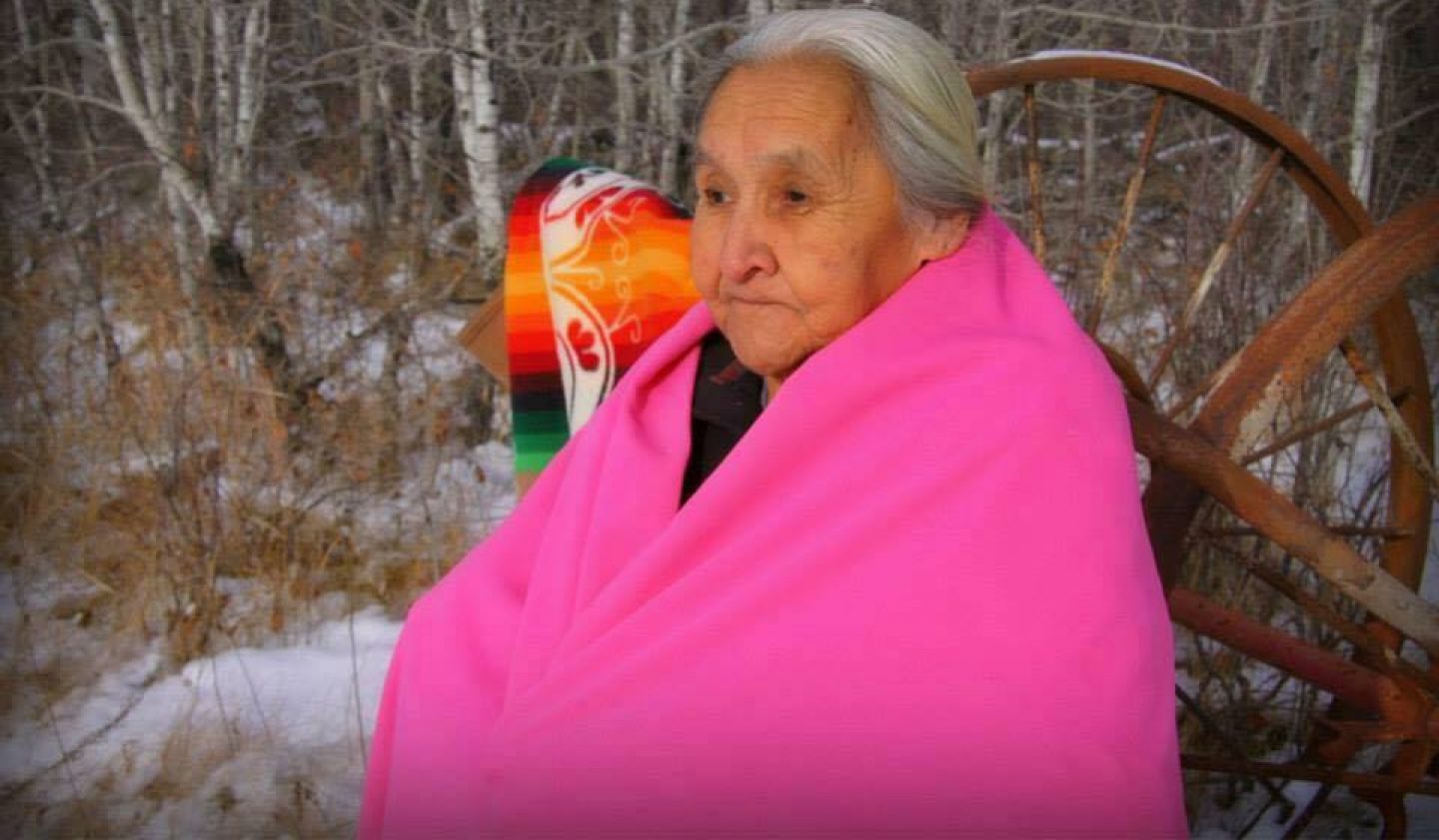
My name is Cresida, I am from Onion Lake Cree Nation. I am a mother to my son, Abel Nicholas. I come from a huge family of either 1) teachers, 2) nurses, 3) tradesmen. I am proud to be a part of the family I am in. Community and place, traditions and values, family and friends are our priorities, and I am blessed to have a loving family. I come from a family where we are all siblings, we raise ALL of the children as our own, we all take our roles as role models seriously, as we know our children are always watching us. What can I say? our children are our family’s pride and joy. They are what make us who we are. Becoming a teacher seems like the right path for me, as I believe children are our future, and with the guidance from teachers and elders, they will succeed with confidence and pride.

My hobbies include: sports, such as hockey, fastball, slo pitch, volleyball, and basketball. I also enjoy releasing stress and tension at the gym. I spend the extra time that I have at the gym, not only to be healthier, but to create positive endorphins which always helps me regenerate energy and helps me concentrate on making better decisions for myself and my son. My academic path has led me into my third year of ITEP. This year is currently the most interesting year of my academic life, as I am learning to step outside of the box, learning how to take risks, understanding the value of creativity, and learning to become the teacher that students need. At the end of it all, digging deep into my values and understanding ideology in education will eventually help me create my own philosophy of teaching. I hope that indulging in lessons, teachings, discussions, and projects will open my heart to becoming the next generation of teachers. I will continue to push boundaries throughout this year in the program, and I will continue to challenge myself in all aspect that create me, personally. I look forward to what this year has in store for me.

alternative book talks

Last week, we presented a book talk to our classmates. We all practically did the same thing which is okay, but Judy introduced us to alternative book talks. This was an interesting take on book talks, as small summaries via PowerPoint is usually the most common take on book talks. We were introduced to alternative resources that can help us, not only as students but as instructors/teachers to evaluate ourselves or our students around the topic of assessments. In the article “Teaching Ideas” it explains that students lean towards the same book responses, so it is up to us teachers to show them how to think outside of the box. Out of the 50 strategies introduces in the article, number 7 stuck out to me the most. Having another teacher, or anyone who can have a different point of view discuss their views is interesting. As teachers, we must use other resources to teach our students, even if that means seeing it from another person’s point of view. Having the school’s counselor create a dialogue on a novel or text we are reading lets us see the views of a professional social opinion. I really enjoyed the class on that day, as it helped me think outside the box while completing my unit plan.

If you are reading this, what idea stuck out to you the most and why?? If you weren’t in class, I will link the article below for you to download and read. It is interesting and helpful for creating a unit plan.

http://www.ncte.org/library/NCTEFiles/Resources/Journals/EJ/0871-jan98/EJ0871Ideas.PDF