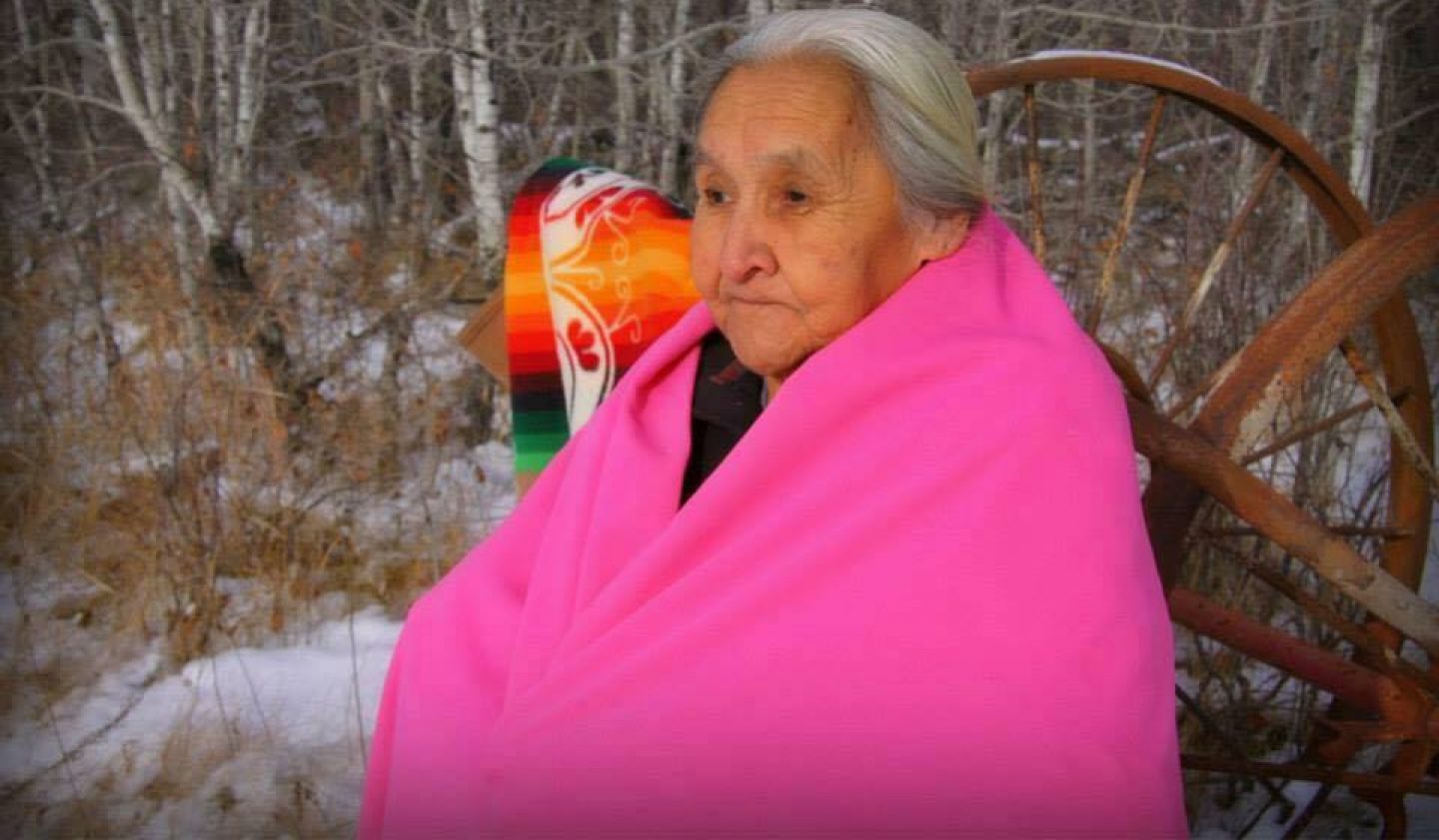
As a First Nations female, I have the honour of creating self-awareness within myself, in order to become a teacher, and a future leader. In order to create self-awareness, I must understand myself as an individual through many constructive and critical perspectives. Reflecting my identity as a First Nations individual can mean finding my own sense of self as the center rather than external concepts or frameworks, using personal identity and self reflection to expose myself and my goals, finding self identity to create a better understanding of who I am. Having an understanding of who my family is, my territory, researching a part of our FNIM history, what we know, what we practice, how we use these to continue moving forward. Using old teachings such as unending, continuous, inter generational stories of our lives. These stories continue throughout our blood relatives, as they are who we are as individuals and a community. They are the main source and responsibility of passing on the history of our people. Mainstream textbooks do not inform mainstream society about the history of First Nations’ people, as the stories we tell are performed in ceremonies, they have proper protocol, as they cannot be told just at any time, there is always a time and a place for these to be told, in maturity and self awareness, before being told. In the current era, we must understand that accuracy, accountability, awareness, and mutual respect in FNIM content must be present in order to create proper understandings to teach FNIM content. In other words, you don’t necessarily have to be FNIM to teach FNIM content, but respecting the value of generational teachings is important. Also, understanding that it is okay to ask elders, or storytellers to be in the presence of the classroom to teach their ways, as they are spiritual guides for the youth. In the future, preferably in adulthood, your teachings from your childhood becomes clear, as it is relevant to what you experience- our teachings go unnoticed and sometimes unplanned. For example, my passion project was just another pre-written novel, based on generations of teachings from my ancestors, waiting to be re-opened. I was given the honor of these stories and teachings not only for myself, but for those who need to hear them. I feel as I was given a voice to teach, and in order to teach, I must continue to be open to teachings. Finding ways or activities to teach students can create a sense of self-reflection and self-awareness, which are huge goals for our curriculum. I did not learn these things from the textbooks, but from oral teachings, which I can now incorporate into classroom teachings and curriculum. Being open minded to FNIM perspectives challenges anti-oppression for our faculty staff and students, for generations to come. The cycle of oppression, biases on FNIM content, or any diverse content for that matter can be closed. It may not have started with this generation, but it can end here.
FNIM content and perspectives

Published by Cresida Masson
My name is Cresida Masson, I am from Onion Lake Cree Nation. I am a proud mother to my son, Abel Nicholas. As a child, I once had a bright mindset, but as the years of trial and tribulations have come and gone, my spirit was somewhat lost, in a way where I had no idea what my future would look like. I became a Hairstylist in 2010, and have worked in the same salon for eight years, knowing that there was more to life than what I was doing in those years. In 2014, I decided to go back to University, not only for myself, but for my son and future children. Since my son has entered my life, he has definitely become that light that is currently pushing me to complete my Degree in Education. I am also happy to come from a family where Education is important, where our children are our main priority. We see our children as our leaders, they humbly teach us more than we know. Therefore, I have chosen to become an Educator in hopes to help our future leaders grow and become whoever they choose to be. As a parent myself, I hope to encourage a positive and healthy lifestyle for those who I will encounter in the future. Being an educator is more than the four corners of the classroom. It is outside the classroom, leading by example, and just being there for those who cannot that makes educators become better at what they do. View all posts by Cresida Masson

